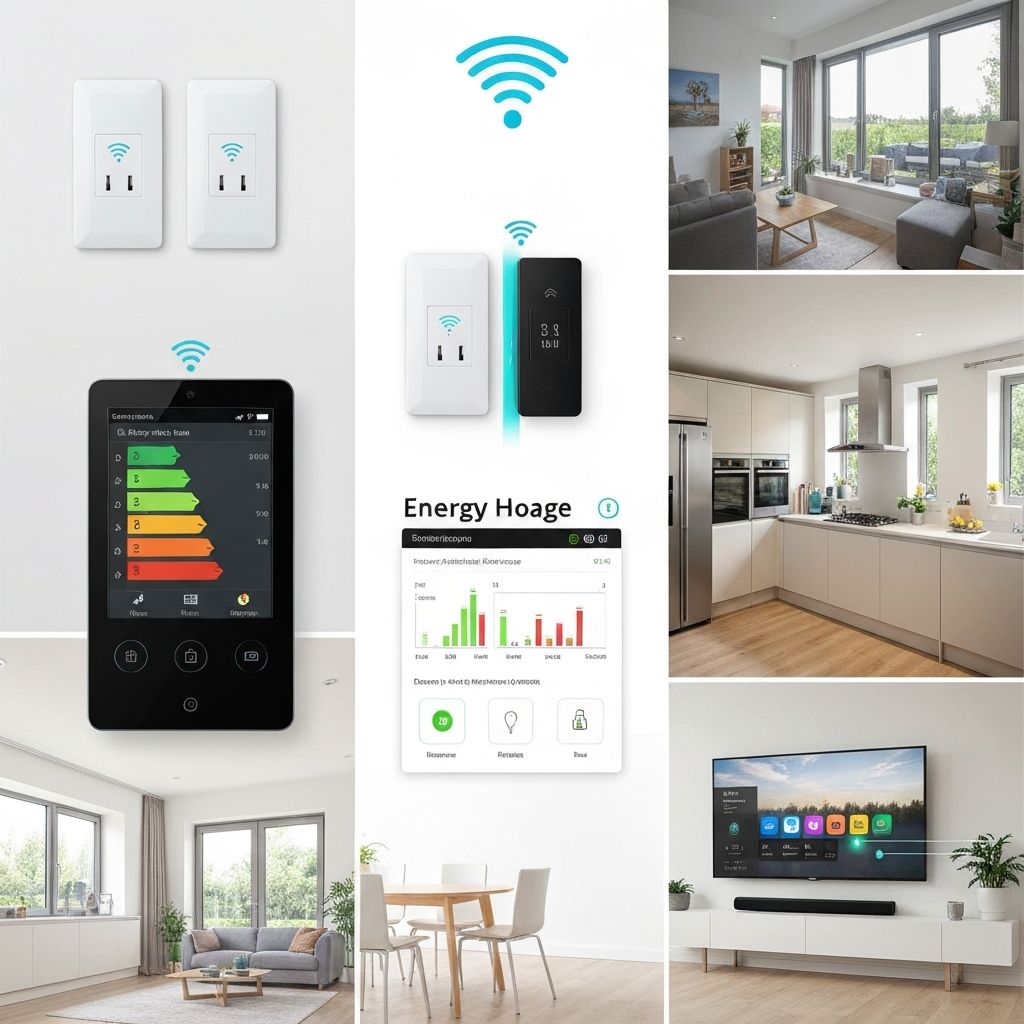
Smart home devices are everywhere—smart thermostats, smart plugs, automated lighting, sensors, and smart home assistants. They promise cheaper bills, comfort, and energy-saving living. But the question UK households want answered is: is smart home technology a true money-saving solution or just hype?
Here's a simple, practical, and SEO-friendly breakdown of what does and doesn't save money for UK readers.
What Is Smart Home Technology?
Smart home technologies encompass devices such as:
- Smart thermostats (Hive, Nest, Tado)
- Smart plugs
- Smart lighting
- Smart meters
- Voice assistants
- Smart appliances
Their purpose: They're trying to waste less, be more comfortable, and provide you with total control over the energy expenditure in your home.
Does Smart Home Tech Really Save Money?
Short Answer: YES – When Used The Right Way
The optimal combination of devices and habits can save UK households £120-£300 per year
1. Smart Thermostats: The Ultimate Savings
Average Annual Savings
- Less heating in empty rooms
- Learning your routines
- Heating only when needed
- Allowing zoned heating
Popular UK Options:
2. Smart Plugs – Quick Wins
Cost per plug:
£10-£15
Annual Savings:
£20-£40
Smart plugs help you:
3. Smart Lighting – Long-term Savings
LED smart bulbs consume up to 90% less electricity than traditional bulbs.
4. Smart Meters = Knowledge = Savings
Smart meters don't directly save money—however, they help you understand which devices are most expensive to use, so you can reduce usage.
💡 Real-time feedback helps households make smarter energy choices throughout the day.
5. Smart Home Security – Indirect Financial Benefits
Smart doorbells, cameras, and motion sensors help minimize theft and can reduce insurance payments.
6. Smart Appliances – Not Mega Savings but Still Necessary
They issue warnings, run during off-peak times, and have eco modes.
Plus massive convenience benefits
7. Smart Electricity Tariffs: The Money Saver You Don't See
When used together with smart electricity tariffs, smart home technology becomes even more powerful.
Smart peak/off-peak pricing, where electricity becomes cheaper (or even free) at certain times, is already available at many UK energy providers.
Smart devices can be used to automatically turn on the washing machine, dishwasher, dryer, and EV charger at times when electricity costs less. It's at this point that savings can increase significantly.
7.1. EDF – Smart Tariffs and Free Electricity Hours
EDF periodically launches smart rewards, such as:
- Free electricity on promotional Sundays
- Off-peak pricing for smart meter customers
- Discounts for shifting usage to low-demand hours
💡 Pro Tip:
When you run your washing machine, dishwasher, and charge items during these free or cheaper hours, the savings add up very fast.
7.2. Octopus Energy – Smart Tariffs and The Power Tower
Octopus has innovative tariffs designed for smart homes:
⚡ Octopus Agile / Intelligent Go Tariffs
- Ultra-cheap rates overnight
- Dynamic pricing based on national grid
- Ideal for EV chargers and heavy appliances
⚡ "The Power Tower"
A rewards system that offers credits in exchange for cutting energy during peak times.
This can be automated using smart plugs or smart appliance schedules—let Octopus handle the optimization.
Households that shift usage can save up to £150-£300 per year
7.3. Strategic Smart Appliance Scheduling
With smart tariffs + smart plugs, you can automatically run:
🌙 Washing machine
During off-peak (2am)
🍽️ Dishwasher
Free hours (Sat 9pm-11pm)
🚗 EV charging
When tariffs drop
💧 Hot water heater
Low-cost windows
Realistic Savings:
£8-£20 per month
(Depending on usage and tariff)
Do Smart Homes Add Value?
Yes — smart-home upgrades can increase your property value by 2-5% and make rentals more attractive.
Downsides to Consider
Conclusion – Is Smart Home Tech Worth It?
Yes — Especially When Combined with Smart Electricity Tariffs
Save £120-£300/year with smart devices + £100-£300/year with smart tariffs
Smart home tech offers:
💡 Final Tip
Smart devices + reliable Wi-Fi + smart tariffs = ultimate savings
Related Articles
Christmas Electricity Usage: Myths vs Reality
Discover the truth about festive energy consumption
Budget-Friendly Ways to Boost Your Home Wi-Fi
Simple UK guide to improving your Wi-Fi on a budget
10 Ways to Cut Your Energy Bills This Winter
Practical tips for UK households
Ready to Start Saving with Smart Home Tech?
Compare electricity, broadband, SIM, and mobile deals — all in one place.